Can You Make Money Selling Greeting Cards? A Practical Beginner’s Guide
You can earn money selling greeting cards, but the result depends on more than having a good drawing. You need people who want the designs, a price that covers the work, reliable production and a practical way to reach customers. Start with a small test rather than assuming a large print run will become a successful business.
I’m Kristian, the designer behind Well Drawn in Melbourne. The business began in 2015 after years of making cards for people around me. That story is a reason to explore an idea, not a promise that somebody else will get the same result. Here is a grounded way to think about taking your own cards from sketchbook to sale.
1. Decide who the cards are for
“People who like cards” is a very broad starting point. Choose a more specific person and occasion: gardeners buying birthdays, friends sending encouragement or people looking for warm food humour.
Write down what the buyer wants to express and why your design helps them say it. This gives the illustration and wording a job to do.
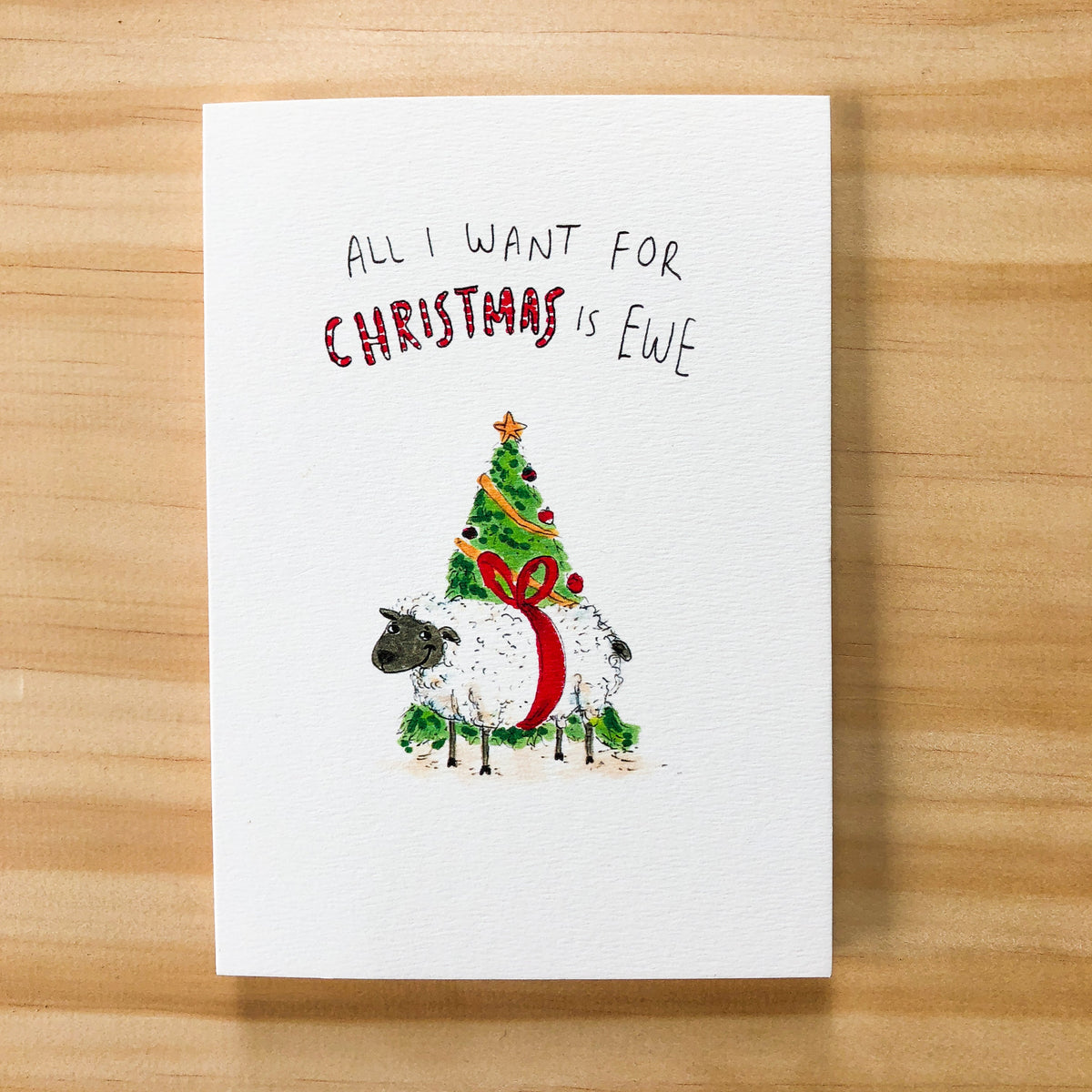
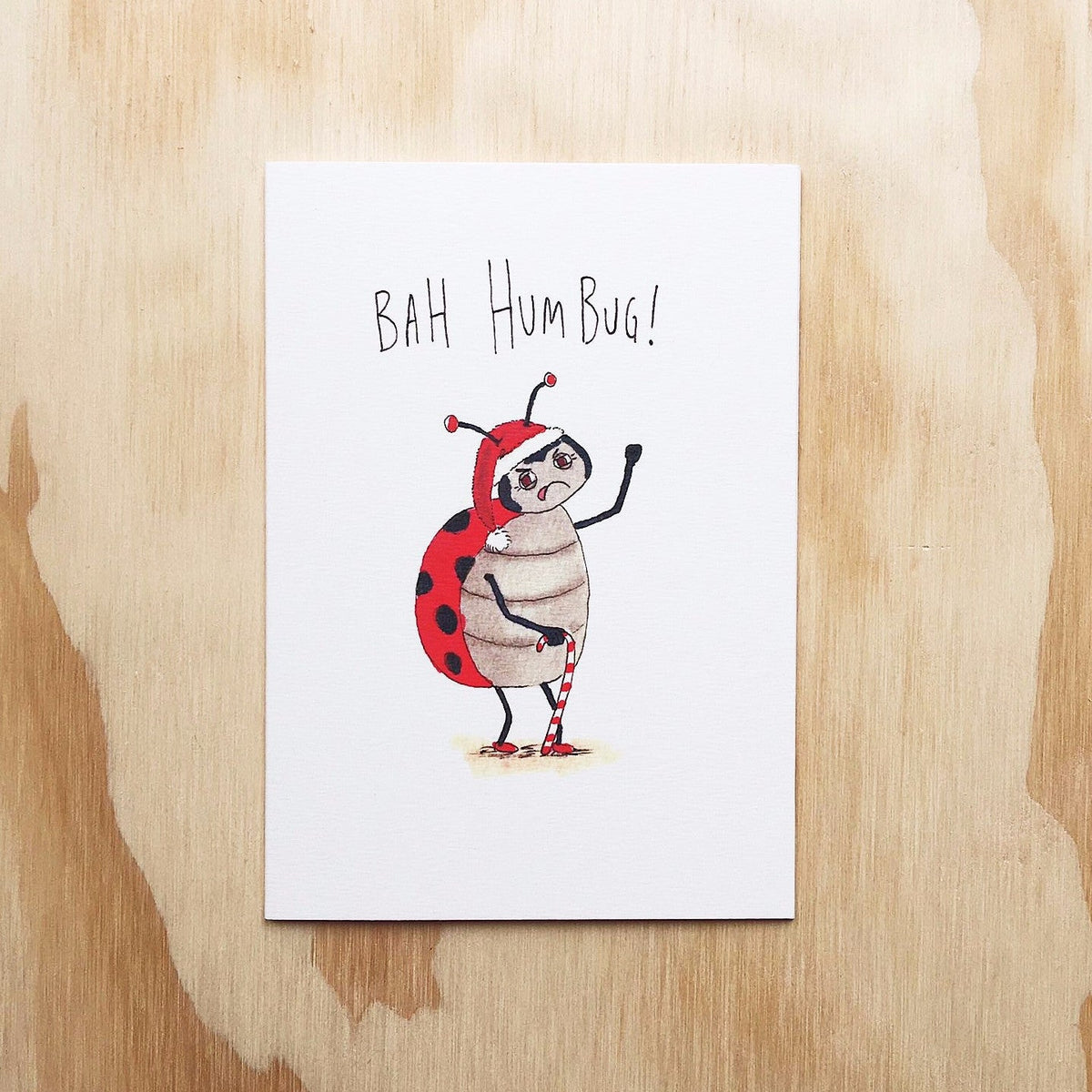
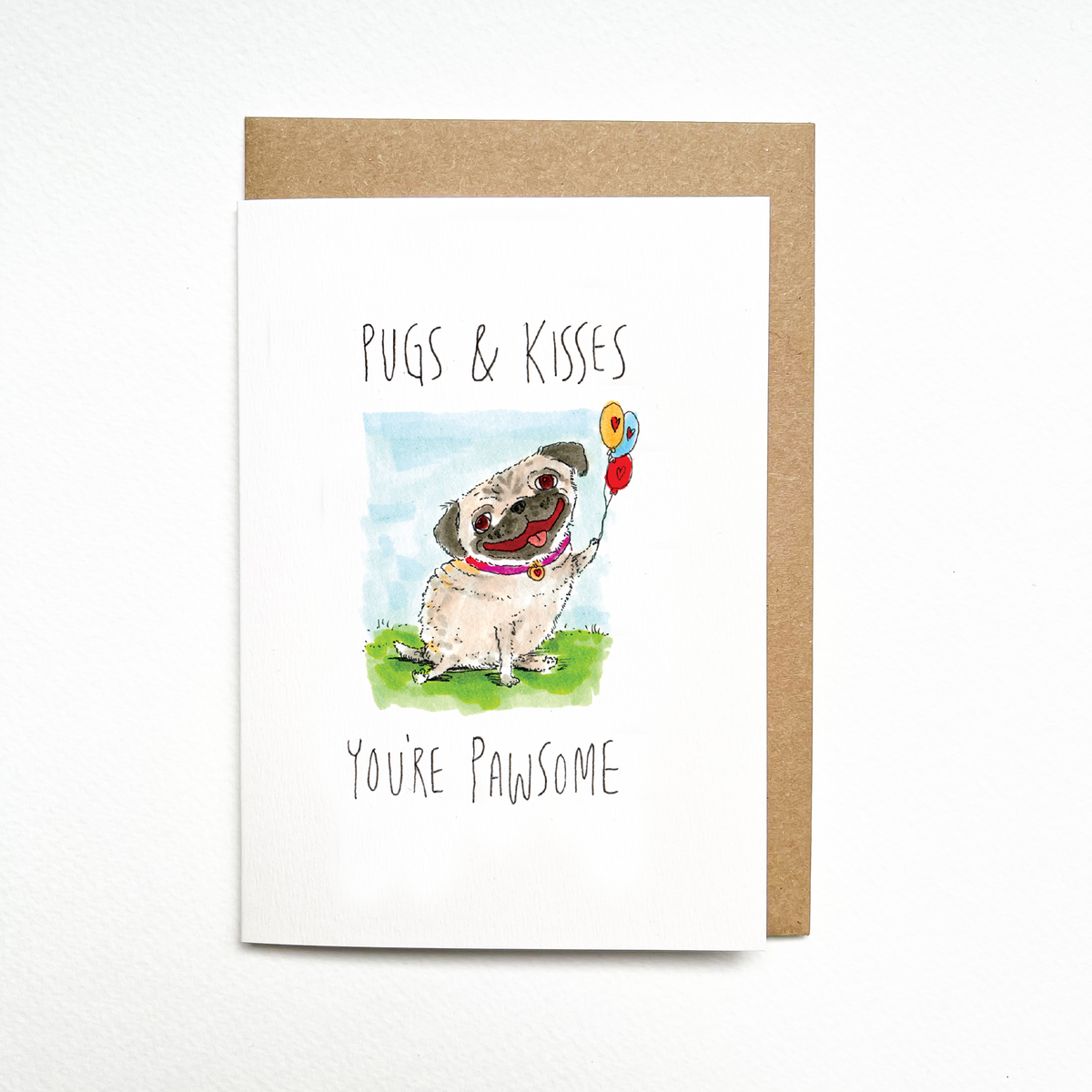
Study how a finished card connects subject and message, including our Well Drawn range, then create your own concepts. The goal is to understand the customer’s decision, not to reproduce another maker’s artwork or distinctive design.
2. Build a small original collection
Create a handful of designs that belong together but offer different choices. You might keep the same illustration approach while changing the occasion or subject.
A small range is easier to photograph, explain and test. It also reduces the amount of stock you need to manage while learning what people respond to.
Before printing, show the concepts at their intended size. Check whether the message is readable and the joke understandable. Our pun-writing guide can help with developing ideas, but your own observations and voice should lead the finished range.
3. Make and inspect physical samples
A screen preview can’t tell you everything about a card. Order or produce a small sample and look at the colour, fold, trimming, paper and envelope together.
Write inside it with an ordinary pen. Put it in the envelope, package it and imagine opening it as a customer. Check that the description you plan to use matches the physical product.
Photograph the real sample in good light. Include a clear cover view and useful details such as the inside and envelope. Honest product information helps a buyer understand what they are purchasing before they place an order.
4. Count the work as well as the paper
List the costs of printing, envelopes, packaging, payment processing, selling fees and any postage you cover. Include the time spent preparing, packing and answering questions.
Keep design time and general overheads visible too. A card can appear profitable if you count only the print price and quietly donate every other part of the job.
Build a simple spreadsheet and use actual quotes where available. Check the arithmetic whenever a supplier price or selling fee changes. This is a planning exercise to understand your product, not a promise of a particular margin.
5. Use a clearly labelled example to test the numbers
Imagine a purely hypothetical card selling for $8, with $2 in print and envelope costs, $1 in packaging and selling costs, and $2 allocated to handling time. That leaves $3 before design costs, overheads, marketing, tax and any other expenses not yet included.
If you also pay $1.50 in postage that wasn’t in the first calculation, the remaining amount becomes $1.50. Neither figure is a take-home profit forecast.
The lesson is to name every assumption. Replace these made-up figures with your own numbers, and separate revenue from what remains after all costs. A lower unit printing cost isn’t automatically a better deal if it requires buying much more stock than you can sell.
6. Choose one initial sales channel
Possible routes include a local market, an online shop, a marketplace or selling to retailers. Each asks for different work and has different costs.
Choose one manageable place to test your range. Check the current fees, rules and practical requirements directly before committing. Avoid trying to launch everywhere at once when you’re still learning how long an order takes to fulfil.
Write down what you want to learn: which designs people understand, what questions they ask and whether they buy at the price you need. A useful test gives you information, even if it shows that part of the idea needs changing.
7. Ask for evidence beyond compliments
“That’s lovely” is encouraging, but it isn’t the same as a purchase. Notice which cards people pick up, who they imagine giving them to and what makes them put a card back.
Record sales by design rather than treating the whole collection as one result. A particular occasion or subject may be doing most of the work.
If you offer preorders, explain clearly when the product will be ready and only promise what you can fulfil. Keep the test small enough that you can handle customer communication properly. Learning about demand should not create a confusing experience for the people supporting you.
8. Understand what wholesale changes
Selling to a shop means the retailer needs room to operate at its own selling price. Work out whether the price you receive still covers your production, handling and overheads.
Prepare clear product names or codes, images, dimensions and ordering information. Confirm payment, delivery and reorder terms with the retailer. Don’t assume a large order is automatically profitable simply because it contains many cards.
Our stockist guide explains some of the questions retailers consider. If your goal is to sell an existing range rather than create your own, you can enquire about stocking Well Drawn. Those are different business paths.
9. Check the Australian business basics
Use business.gov.au’s business-or-hobby guidance to understand the factors that may apply. Don’t assume an activity is a hobby simply because it is small or enjoyable.
The government’s starting-a-business guide is a practical place to explore registrations, record keeping and other obligations. Get advice about your own circumstances when needed. Keep records from the beginning so you can understand both the activity and the decisions you are making.
10. Improve one thing before expanding
After the first test, choose a specific improvement: a clearer photograph, a better envelope fit, a more readable cover line or a packing process that takes less time.
Measure whether the change helps. Keep the designs that have a reason to remain and be willing to retire ideas that don’t connect with customers.
Growth can wait until the basics work. A small range with clear demand and manageable fulfilment is a more useful foundation than a large catalogue that is expensive and difficult to maintain.
Greeting card business questions
How much money can I make selling cards?
There is no reliable universal figure. Sales volume, price, costs, time and customer acquisition all matter. Build your own cost model and test demand before treating projected revenue as income.
Do I need a large range to begin?
No. A small, coherent collection can help you learn what customers want while limiting the stock and administration you manage.
Can I start while keeping it as a creative hobby?
You can enjoy making cards without commercial goals. If you start selling, check the official guidance for your circumstances rather than choosing a label based only on preference.
Making a card somebody wants to give is a lovely achievement. Turning that into a business adds planning, service and persistence. Start small, keep the numbers honest and give your own creative voice room to develop.